
"their reaction"
1000 article(s) found
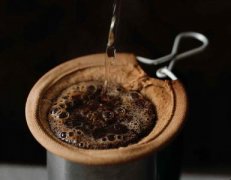
What are the chemical constituents in a coffee bean?
★ volatile compounds: volatile compounds are the main source of coffee flavor, especially important for coffee quality. There are many kinds of volatile substances in coffee, and their existence will affect the aroma quality of coffee. Its main source is derived from non-volatile substances in raw beans which are disconnected or derived after reaction in the process of roasting. The role of thermal decomposition, other reactions, or compositions, such as sugar.

Barista training knowledge: detailed analysis of coffee bean components
★ volatile compounds: volatile compounds are the main source of coffee flavor, especially important for coffee quality. There are many kinds of volatile substances in coffee, and their existence will affect the aroma quality of coffee. Its main source is derived from non-volatile substances in raw beans which are disconnected or derived after reaction in the process of roasting. The role of thermal decomposition, other reactions, or compositions, such as sugar.

General knowledge of roasting of fine coffee coffee bean baking theory (1)
Grab a handful of coffee raw beans smell, there is always a pungent smell, very different from the impression of the charming smell of coffee. However, after roasting "fragrance" correctly, raw beans will emit the strongest aroma in the world. The small high-altitude Arabica coffee raw beans are like a warehouse full of chemicals. At present, scientists have identified more than 2,000 known ingredients, including 700 to 700.

Pictured coffee roasting process wizard
Naked eye observation as one of the methods to determine the roasting degree of coffee beans is very limited when used alone. If it is supplemented by the judgment of burst sound and the discrimination of fragrance, quite accurate results can be obtained. But the world of coffee is full of surprises and rarely conventional, and explosive Sumatra is often mistaken for urban baking. On the other hand, the color of some coffee beans after roasting will look better than that of actual roasting.
Detailed Analysis of the components of Coffee beans in Coffee Encyclopedia
★ volatile compounds: volatile compounds are the main source of coffee flavor, especially important for coffee quality. There are many kinds of volatile substances in coffee, and their existence will affect the aroma quality of coffee. Its main source is derived from non-volatile substances in raw beans which are disconnected or derived after reaction in the process of roasting. The role of thermal decomposition, other reactions, or compositions, such as sugar.
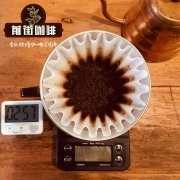
Introduction to three categories of coffee beans does the action of chlorogenic acid affect the flavor of coffee?
Professional coffee knowledge exchange more coffee bean information please follow the coffee workshop (Wechat official account cafe_style) front street-introduction of the three major coffee bean varieties, chlorogenic acid ingredients 1. The origin of the Arabica species is the Abyssinia Plateau of Ethiopia (now the Ethiopian Plateau). It was mainly eaten as medicine in the early days, and baked and drunk in the 13th century.
Fine Coffee: a detailed Analysis of the components of Coffee beans
★ volatile compounds: volatile compounds are the main source of coffee flavor, especially important for coffee quality. There are many kinds of volatile substances in coffee, and their existence will affect the aroma quality of coffee. Its main source is derived from non-volatile substances in raw beans which are disconnected or derived after reaction in the process of roasting. The role of thermal decomposition, other reactions, or compositions, such as sugar.
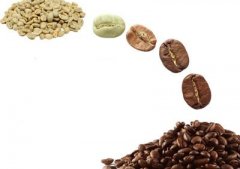
The basic knowledge of Coffee Bean roasting Coffee Bean Baking Theory (1)
Grab a handful of coffee raw beans smell, there is always a pungent smell, very different from the impression of the charming smell of coffee. However, after roasting "fragrance" correctly, raw beans will emit the strongest aroma in the world. The small high-altitude Arabica coffee raw beans are like a warehouse full of chemicals. At present, scientists have identified more than 2,000 known ingredients, including 700 to 700.

During the whole process of coffee planting and roasting, from the seed to the cup, what has the coffee bean experienced?
Professional coffee knowledge exchange more coffee bean information please follow the coffee workshop (Wechat official account cafe_style) professional coffee roasting | coffee roasting is too complicated? A picture teaches you how to drink authentic and delicious coffee in the baking process, which is concerned by many friends who like to drink coffee. Coffee, the most important thing is roasting, what kind of roasting process determines the taste of coffee

Know what coffee roasting is | what is the cause of coffee bean entrapment?
Professional coffee knowledge exchange more coffee bean information Please follow the coffee workshop (Wechat official account cafe_style) Coffee bean roaster (Coffee Beans Roaster) the machine needed for coffee roasting is the bean roaster, which generally has three roasting methods. / / the direct fire type inner pot has holes, and the boiler is heated in direct contact with the fire source, so the firepower is fierce and not easy to control. (the source of fire includes very
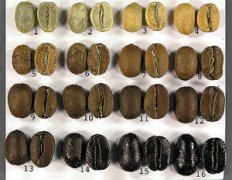
The color of coffee beans changes during roasting.
Visual inspection as one of the methods of judging the roasting degree of coffee beans is very limited when used alone. If supplemented by the explosive sound of discrimination and aroma discrimination, you can obtain a fairly accurate result. But the world of coffee is full of surprises and few conventions, and two-shot Sumatra is often mistaken for urban roasting. And some coffee beans will look a lot more colorful after roasting than they actually are.

Does water temperature matter when coffee is extracted?
In the brewing process, water and coffee will undergo some complex chemical reactions, and the water temperature will directly affect the extraction rate of different components in the coffee during brewing. Water extracts quinic acid, amino acids and tannins, caffeine, oils and other substances from coffee. During the cooking process, different stages produce different reactions. The temperature of water affects the extraction of coffee liquid.
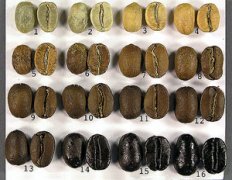
Pictured here is the coffee roasting process wizard [essence]
Naked eye observation as one of the methods to determine the roasting degree of coffee beans is very limited when used alone. If it is supplemented by the judgment of burst sound and the discrimination of fragrance, quite accurate results can be obtained. But the world of coffee is full of surprises and rarely conventional, and explosive Sumatra is often mistaken for urban baking. On the other hand, the color of some coffee beans after roasting will look better than that of actual roasting.
Detailed Analysis of the components of Coffee beans in the training of baristas
★ volatile compounds: volatile compounds are the main source of coffee flavor, especially important for coffee quality. There are many kinds of volatile substances in coffee, and their existence will affect the aroma quality of coffee. Its main source is derived from non-volatile substances in raw beans which are disconnected or derived after reaction in the process of roasting. The role of thermal decomposition, other reactions, or compositions, such as sugar.
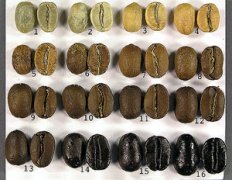
Basic Coffee knowledge Picture Coffee roasting process Wizard
Naked eye observation as one of the methods to determine the roasting degree of coffee beans is very limited when used alone. If it is supplemented by the judgment of burst sound and the discrimination of fragrance, quite accurate results can be obtained. But the world of coffee is full of surprises and rarely conventional, and explosive Sumatra is often mistaken for urban baking. On the other hand, the color of some coffee beans after roasting will look better than that of actual roasting.

Traceable fresh milk is very popular in coffee shops! What kind of milk should I use for coffee in boutique cafes?
"Ah?! Is there any milk that is not from a single producing area? " I believe that when most friends see the topic, the first reaction is like this, because the code clerk before writing this topic, when chatting with friends and colleagues, their first reaction is so unified. At present, most of the milk on the market
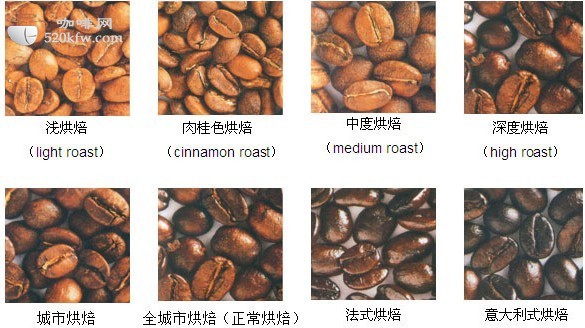
Illustrate the color changes of coffee beans during roasting.
Naked eye observation as one of the methods to determine the roasting degree of coffee beans is very limited when used alone. If it is supplemented by the judgment of burst sound and the discrimination of fragrance, quite accurate results can be obtained. But the world of coffee is full of surprises and rarely conventional, and explosive Sumatra is often mistaken for urban baking. On the other hand, the color of some coffee beans after roasting will look better than that of actual roasting.

Introduction to the manor in the planting area by the method of internal structure diagram treatment of coffee beans
The method of internal structure map of coffee beans the manors of the growing areas introduce the beans selected at random, which may be typical Kona, or even the traditional Bourbon variants or Mundo Novo. As you can see, I am not waiting for a sample (there is no reason to do so). Instead, we select the stage to extract the sample which shows obvious visual difference. Large and medium-sized drum roaster
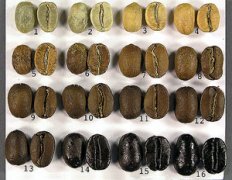
Roasting of boutique coffee beans pictured coffee roasting process wizard
Naked eye observation as one of the methods to determine the roasting degree of coffee beans is very limited when used alone. If it is supplemented by the judgment of burst sound and the discrimination of fragrance, quite accurate results can be obtained. But the world of coffee is full of surprises and rarely conventional, and explosive Sumatra is often mistaken for urban baking. On the other hand, the color of some coffee beans after roasting will look better than that of actual roasting.
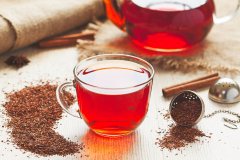
The taste of Assam black tea is characterized by the explanation of the production process of malt-flavored Assam black tea.
The final step in the production of dried tea is firing, which preserves the tea by almost completely removing the remaining moisture from the tea. Drying is a more accurate term; if the moisture of the tea is reduced to 3%, the tea will be stable and no more chemical reactions will take place. Then it can travel. In ancient China, this meant